
Quick Summary
Professional garage insulation cost ranges from $800 to $5,100 for walls and ceilings, while installing a factory-insulated overhead door averages $1,500 to $3,700 to protect adjacent living spaces from extreme heat. Although DIY door retrofit kits are cheaper upfront, professionally installed polyurethane doors and perimeter seals from First Choice Garage Door Repair Cape Coral prevent spring strain, trapped moisture, and coastal corrosion. Readers will understand the full price breakdown across various insulation materials and can contact First Choice Garage Door Repair Cape Coral for a clear, upfront estimate on insulated doors and weatherproofing.
Garage Insulation Cost: Cut Energy Bills and Heat Fast
According to HomeGuide, the professional garage insulation cost for standard two-car garage walls and ceilings ranges from $800 to $5,100. If you are targeting the overhead door specifically, a DIY retrofit kit costs between $90 and $530, whereas an insulated garage door replacement cost sits between $1,500 and $3,700 fully installed.[2]
When an uninsulated garage sits in direct sunlight, hot garage temperatures radiate heat directly into shared living spaces, significantly increasing cooling loads and forcing your air conditioning system to run constantly. Whether you are finishing bare framing or replacing a thin metal door, understanding where your money goes helps you avoid expensive mistakes down the road. See also Polyurethane Insulated Garage Doors | Call Now-10% Off | Same-Day Service | Free Estimate.
How Much Does Garage Insulation Cost?
The total cost to insulate a garage depends heavily on your starting point. Adding insulation to open wall studs and unfinished rafters is relatively straightforward. Retrofitting closed drywall or upgrading a heavy overhead door involves different materials, labor rates, and mechanical considerations.[3]
On average, the cost to insulate 2 car garage walls and ceilings professionally falls between $800 and $5,100. If your garage ceiling is finished with drywall, adding blown-in cellulose through small access points keeps labor lower than tearing down drywall to install batts. For the overhead door, homeowners choose between aftermarket panel inserts or installing a factory-built polyurethane garage door.
Average Cost Breakdown by Project Scope
Insulation costs have increased year over year according to Gordian, shifting overall installation pricing. The table below outlines realistic material and professional installation costs across typical garage projects.[1]
| Project Scope | DIY / Material-Only Cost | Professional Installed Cost |
|---|---|---|
| DIY Door Insulation Kit (2-Car) | $90 – $530 | $100 – $800 (with balance check) |
| 2-Car Garage Walls (Open Studs) | $350 – $900 | $800 – $2,200 |
| 2-Car Garage Ceiling | $300 – $800 | $700 – $2,900 |
| Spray Foam (Ceiling and Walls) | $800 – $1,800 (kits) | $2,100 – $5,100 |
| New Insulated Garage Door (2-Car) | $800 – $2,200 (door only) | $1,500 – $3,700 |
Key Factors That Drive Garage Insulation Installation Cost
- Square Footage and Ceiling Height: Garages with high ceilings (10 to 12 feet) require more material and specialized ladder or scaffolding labor.
- Condition of Framing: Open framing allows quick batt or spray foam installation. Finished drywall requires either blown-in insulation or removing sheetrock entirely.
- Local Climate Demands: In hot, humid coastal regions, standard batts require careful moisture management to prevent mold behind drywall. Closed-cell spray foam acts as both insulation and a vapor retarder.
- Overhead Door Mechanics: Adding physical weight to an existing overhead door changes the load on the spring system, often requiring professional recalibration.
Garage Insulation Costs by Material and Project Type
Need garage insulation cost?
We’re available now — call for a fast, free estimate.
The material you select directly affects both upfront pricing and thermal performance over time. Choosing the most cost-effective insulation material for a garage comes down to matching the product to your specific framing.
Fiberglass Batts vs. Blown-In vs. Spray Foam
- Fiberglass insulation for garage walls: As a popular budget option for exposed wall bays, batts fit snugly between framing members, though they must be cut carefully around electrical conduits to prevent air gaps.
- Blown in insulation garage cost: Loose-fill fiberglass or cellulose is a common choice for garage ceilings and attic spaces above parking bays, filling irregular gaps around joists effectively.
- Open-cell spray foam: Open-cell foam expands rapidly to seal air leaks in wall cavities, making it useful for sound dampening and moderate climates.
- Spray foam garage insulation cost (Closed-Cell): Closed-cell foam is a premium option that adds rigidity to wall framing and provides strong resistance against moisture penetration in humid environments.
Factory-Insulated Doors vs. DIY Retrofit Kits
A diy garage door insulation kit cost of $90 to $530 looks tempting on paper. These kits generally consist of expanded polystyrene (EPS) foam panels or reflective foil rolls that tuck into the back of steel door panels. While they reflect some radiant heat, they rarely seal perimeter air gaps.
A factory-built insulated door uses injected polyurethane foam bonded directly between steel skins (sandwich construction). This design prevents internal air pockets, strengthens the door against wind pressures, and delivers superior thermal performance.
The Hidden Mechanical Cost of DIY Door Kits in Coastal Climates
Before buying an aftermarket foam kit for your overhead door, consider the mechanical impact on the entire system. A standard non-insulated steel door is balanced by a specific set of torsion springs calculated to offset its exact weight.
Spring Fatigue and Opener Strain
Adding 15 to 30 pounds of foam panels and tape changes the door’s balance point. When the door is heavier than the springs were wound to lift:
- The automatic opener motor pulls extra dead weight, leading to gear wear or circuit board burnouts.
- The door can drop quickly when closing, posing a safety risk.
- Torsion springs wear out faster, snapping long before their typical 10,000-cycle life expectancy.
If you install an aftermarket kit, you should always have a qualified technician from First Choice Garage Door Repair Cape Coral test the door’s balance and adjust the spring tension accordingly.
Trapped Moisture and Salt-Air Corrosion
In coastal areas like Southwest Florida, humidity and salt air present another issue. Aftermarket foam boards installed against uninsulated single-layer steel panels create tiny unsealed voids. Humid air enters these spaces during the day, condenses at night, and stays trapped against the steel. Over time, this leads to hidden panel rust and premature track failure.
Factory-engineered polyurethane doors eliminate these gaps entirely by injecting dense foam between inner and outer steel skins, preventing internal condensation.
Wind-Code Compliance
Homes in high-wind and hurricane zones require garage doors rated for specific positive and negative design pressures (often reinforced with heavy U-bars and specific track gauges). Adding thick DIY foam panels can interfere with interior reinforcement struts, track clearance, or hinge operation. Replacing an aging door with an impact-rated, factory-insulated unit maintains safety compliance while improving energy efficiency.
Is Garage Insulation Worth the Investment in Warm Climates?
Need garage insulation cost?
We’re available now — call for a fast, free estimate.
Insulating a garage offers significant energy savings, particularly if your garage shares walls with air-conditioned living spaces or sits directly below a second-story bedroom. A poorly insulated garage acts as a heat sink, transferring warmth through interior drywall and keeping adjacent rooms uncomfortably hot.
Key benefits include:
- Lower Cooling Loads: Reducing garage temperatures eases the burden on your central HVAC system.
- Appliance Protection: Water heaters, secondary refrigerators, and laundry machines located in the garage operate more efficiently and last longer when protected from extreme ambient heat.
- Sound Reduction: Insulated walls, ceilings, and heavy-duty polyurethane garage door panels significantly reduce outside street noise.
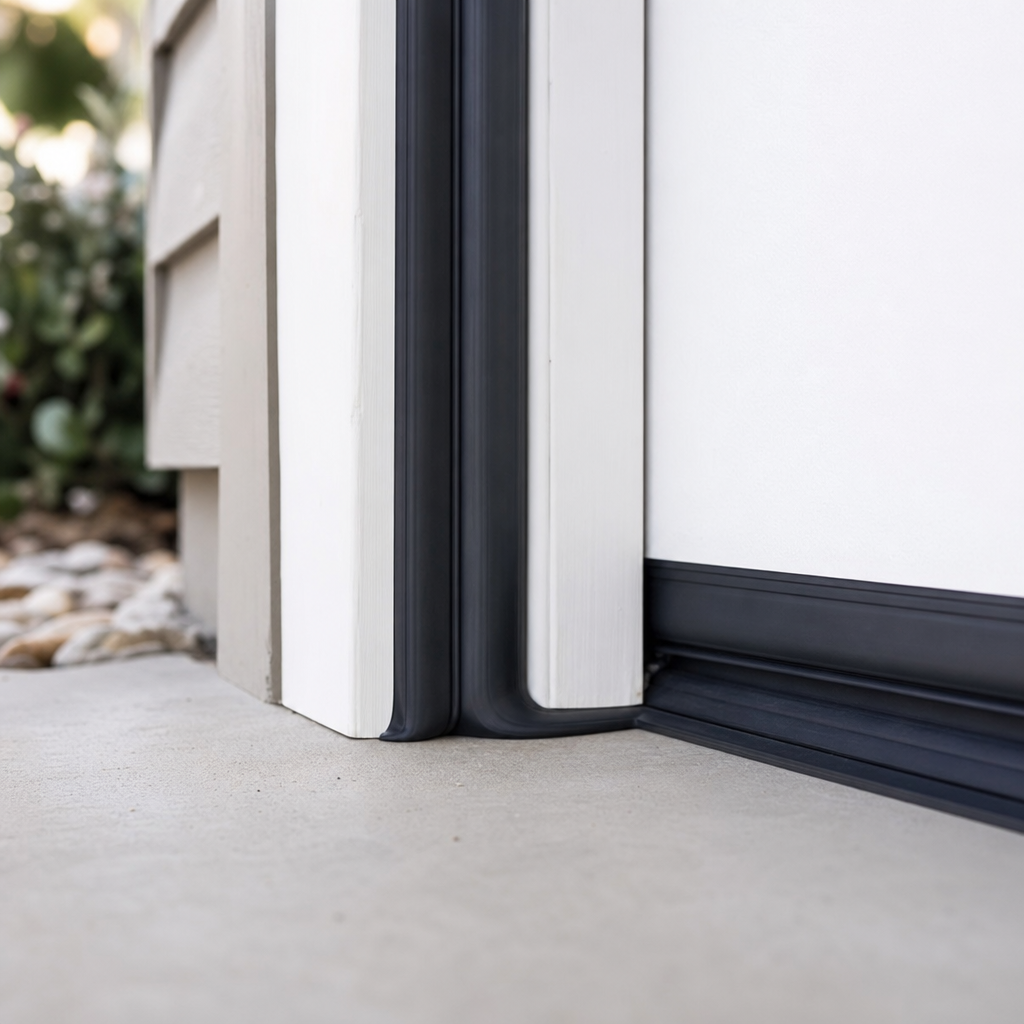
- Perimeter Sealing: Pairing door insulation with fresh bottom rubber seals and vinyl perimeter weatherstripping keeps out driving rain, dirt, and pests.
Frequently Asked Questions About Garage Insulation Costs
How much does it cost to insulate a standard 2-car garage?
The average cost to insulate a garage with two bays runs between $800 and $5,100 for the walls and ceiling, depending on whether you choose fiberglass batts, blown cellulose, or spray foam. If you include a new factory-insulated overhead door, expect total project costs between $2,300 and $8,800.
What is the average garage door insulation cost?
A DIY door insulation kit costs between $90 and $530 in materials. Having a professional, such as First Choice Garage Door Repair Cape Coral, insulate an existing door costs $100 to $800, which includes testing and adjusting the torsion spring balance. Replacing the unit with a factory-insulated door averages $1,500 to $3,700 installed.
What is the most cost-effective insulation material for a garage?
For open wall framing, fiberglass batts provide an affordable balance of cost and thermal performance. For ceilings, blown-in cellulose offers rapid, cost-effective coverage across overhead spaces.
How much does spray foam insulation cost for a garage ceiling and walls?
Professional spray foam garage insulation costs vary depending on whether open-cell or closed-cell foam is selected. For a typical two-car garage, whole-space spray foam installation ranges from $2,100 to $5,100.
What R-value is recommended for a garage?
Recommended thermal ratings depend on your regional climate zone and the specific garage component. Exterior walls and overhead doors require adequate thermal resistance to slow heat transfer, while garage ceilings typically need higher insulation levels to block overhead roof heat.
Need garage insulation cost?
We’re available now — call for a fast, free estimate.
Sources
- Garage Insulation Cost and Price Guide for Homeowners 2026 – currentcost.org (2026)
- Garage Insulation Cost in 2026: Real Pricing & DIY Math – insidercost.com (2026)
- What the Data Says: Insulation Cost Updates – Gordian – gordian.com (2026)
Related reading: Insulated Garage Door Installation Cost | Call Now-10% Off | Same-Day Service | Free Estimate
Related reading: Insulated Garage Door Installation | 10% Off & Free Estimate | Same-Day Service
Related reading: Custom Insulated Garage Doors – Call Now-10% Off – Same-Day Service – Free Estimate
Frequently Asked Questions
Will adding insulation to my existing garage door damage the springs or opener?
Adding aftermarket insulation panels adds 15 to 30 pounds of dead weight, which can quickly fatigue torsion springs and burn out opener motors. If you install retrofit panels, contact First Choice Garage Door Repair Cape Coral to inspect the door balance and properly recalibrate the spring tension.
How much can an insulated garage door lower home cooling costs in hot climates?
An insulated door can reduce internal garage temperatures by 10 to 20 degrees, significantly decreasing heat transfer through shared walls into your living areas. Investing in a factory-insulated polyurethane door from First Choice Garage Door Repair Cape Coral reduces HVAC strain and helps lower your monthly electricity bills.
Why is perimeter weatherstripping necessary alongside garage door insulation?
Insulation panels only block heat transfer through the door face, leaving gaps along the floor and frame where hot, humid air enters. Pairing insulated doors with heavy-duty bottom rubber seals and vinyl perimeter weatherstripping creates a tight thermal envelope that keeps out moisture, dirt, and drafts.
About the author
 |
David Mitchell David Mitchell is a seasoned home maintenance expert with over 15 years of experience in the garage door industry. Holding a degree in Mechanical Engineering from Florida Gulf Coast University, he specializes in writing about safety, mechanical troubleshooting, and emergency repair solutions for residential and commercial properties. David is passionate about helping Cape Coral residents secure their homes through reliable maintenance advice and clear, actionable insights. |